Britain's Move Toward Instant Payments Opens Doors to Enhanced Mobile Gaming Retention Techniques
Written by Greta Perry · Oct 22, 2026

Britain's Move Toward Instant Payments Opens Doors to Enhanced Mobile Gaming Retention Techniques
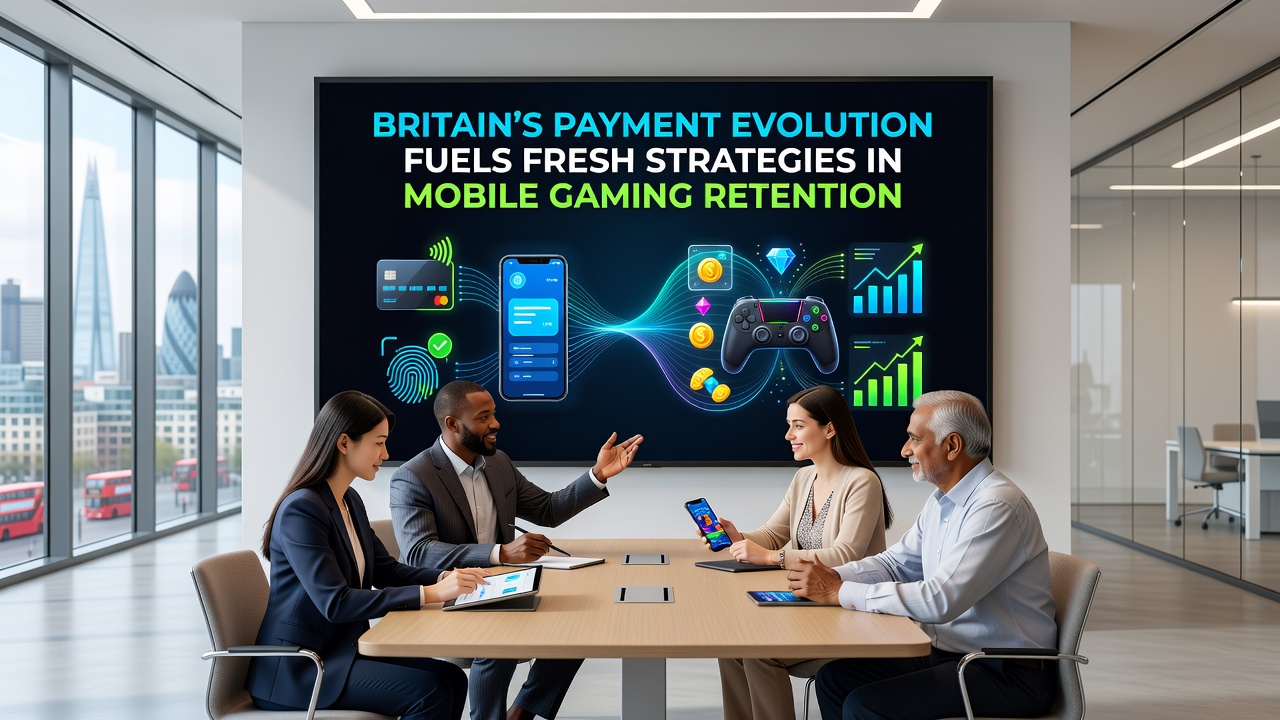
Payment systems across Britain have undergone substantial transformation in recent years, with contactless transactions, open banking protocols, and instant bank transfers gaining widespread adoption. These changes create new avenues for mobile gaming platforms to refine their approaches to player retention, particularly as users expect faster, more seamless financial interactions during sessions.
Tracing the Shift in British Payment Methods
Observers note that the rollout of Faster Payments Service in 2008 laid groundwork for today's landscape, yet adoption accelerated after regulatory updates encouraged broader use of digital wallets and real-time processing. Data from industry analyses shows that contactless payments now account for a significant portion of everyday transactions, while open banking initiatives allow direct account-to-account transfers without traditional card intermediaries. Researchers have documented how these tools reduce friction in sectors reliant on quick deposits, including mobile gaming environments where players move between devices and platforms frequently.
What's interesting is the way third-party providers integrated these capabilities into apps, enabling features like one-tap authorizations that align with user habits formed through retail and banking apps. Studies indicate this evolution coincided with increased smartphone penetration, pushing gaming operators to adapt their backend systems accordingly.
Connecting Payment Changes to Retention Dynamics
Mobile gaming platforms have responded by embedding payment innovations directly into loyalty frameworks, such as instant reward crediting upon deposit confirmation or tiered bonuses triggered by specific transfer methods. Evidence suggests these tactics help sustain engagement because they minimize wait times that previously led to session abandonment. Those who have examined player behavior patterns report higher repeat visit rates when payment options support immediate gameplay resumption, especially during promotional windows tied to account activity.
Examples of Platform Adaptations
Take one operator that integrated open banking APIs to offer deposit confirmations within seconds, resulting in streamlined bonus activations that kept users active longer according to internal metrics shared in industry discussions. Another case involved partnerships with digital wallet providers, where players received personalized notifications about available funds transfers, encouraging continued participation without leaving the app interface. These approaches reflect broader trends observed in markets where payment speed directly influences session length and frequency.
Yet the reality is that not all implementations succeed equally, as platforms must balance security protocols with speed to avoid regulatory scrutiny from bodies focused on consumer protection. Data indicates successful retention often stems from combining payment convenience with transparent terms around rewards and limits.
Looking Ahead to October 2026 Developments
By October 2026, further refinements in instant payment rails are expected to influence how British platforms structure retention campaigns, particularly around cross-border transactions and multi-currency support. Reports from organizations like the Bank for International Settlements highlight ongoing standardization efforts that could streamline operations for gaming services operating across European markets. Bank for International Settlements analysis points to growing interoperability between national systems, which may allow more fluid player movement between different gaming environments.
Academic research from institutions tracking fintech adoption, such as studies referenced through the University of Toronto's payment innovation labs, suggests these shifts will prompt operators to experiment with predictive analytics that tie payment history to customized retention offers. The result could include automated loyalty adjustments based on transaction velocity rather than static play volume alone.
Industry-Wide Implications
Industry associations have tracked how payment evolution affects overall ecosystem stability, with findings showing reduced chargeback rates when instant verification replaces slower card processing. This creates room for platforms to allocate resources toward engagement features instead of dispute resolution. Observers note parallel developments in regions like Australia, where similar payment reforms led to measurable retention gains in digital entertainment sectors, offering comparative insights for British operators.
What's significant is the emphasis on user education around new payment tools, as platforms that provide clear guidance see stronger adoption and sustained activity. Figures reveal that integration of these methods correlates with lower dropout rates during the critical first few sessions after account creation.
Conclusion
Britain's payment landscape continues to evolve in ways that directly shape retention strategies within mobile gaming, driven by technological and regulatory factors rather than isolated platform decisions. Platforms that align their systems with faster, more integrated payment flows position themselves to maintain player interest through reduced barriers and responsive reward mechanisms. As October 2026 approaches, ongoing standardization efforts promise additional opportunities for refinement across the sector.