Payment Innovations Streamlining Mobile Gambling for Smartphone Users in Britain
Written by Ines Simon · Sep 24, 2026
Payment Innovations Streamlining Mobile Gambling for Smartphone Users in Britain
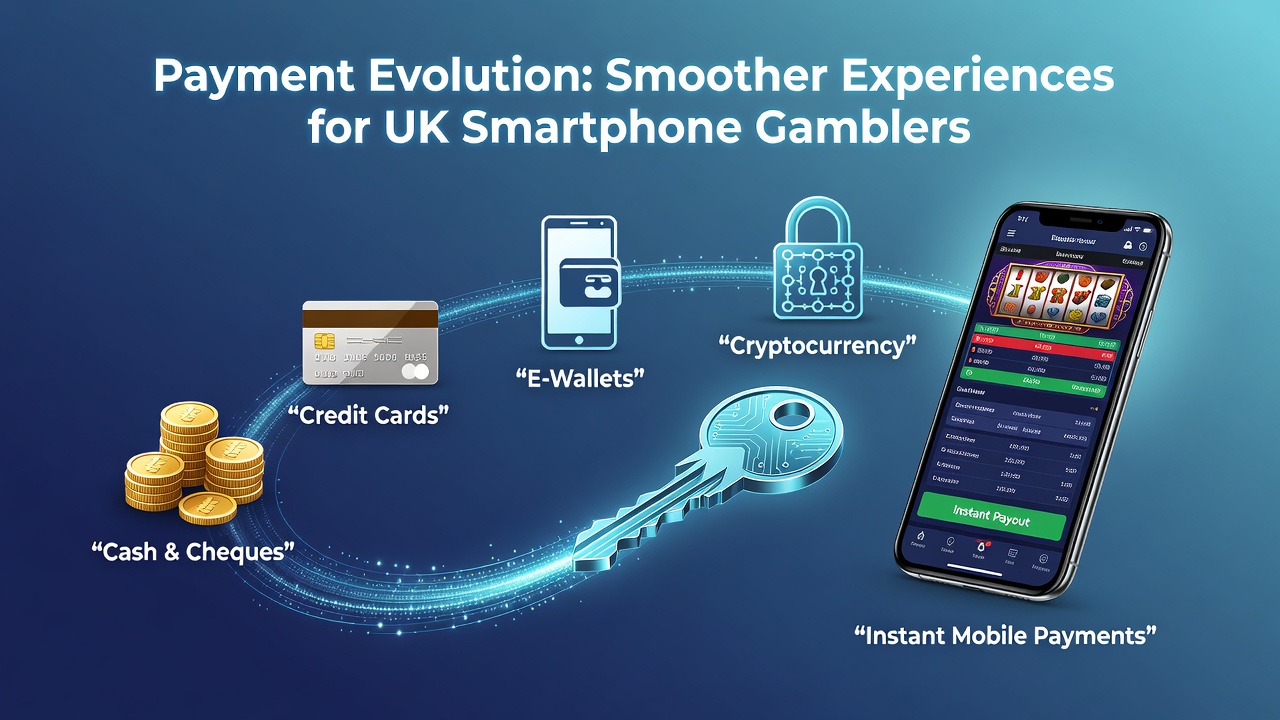
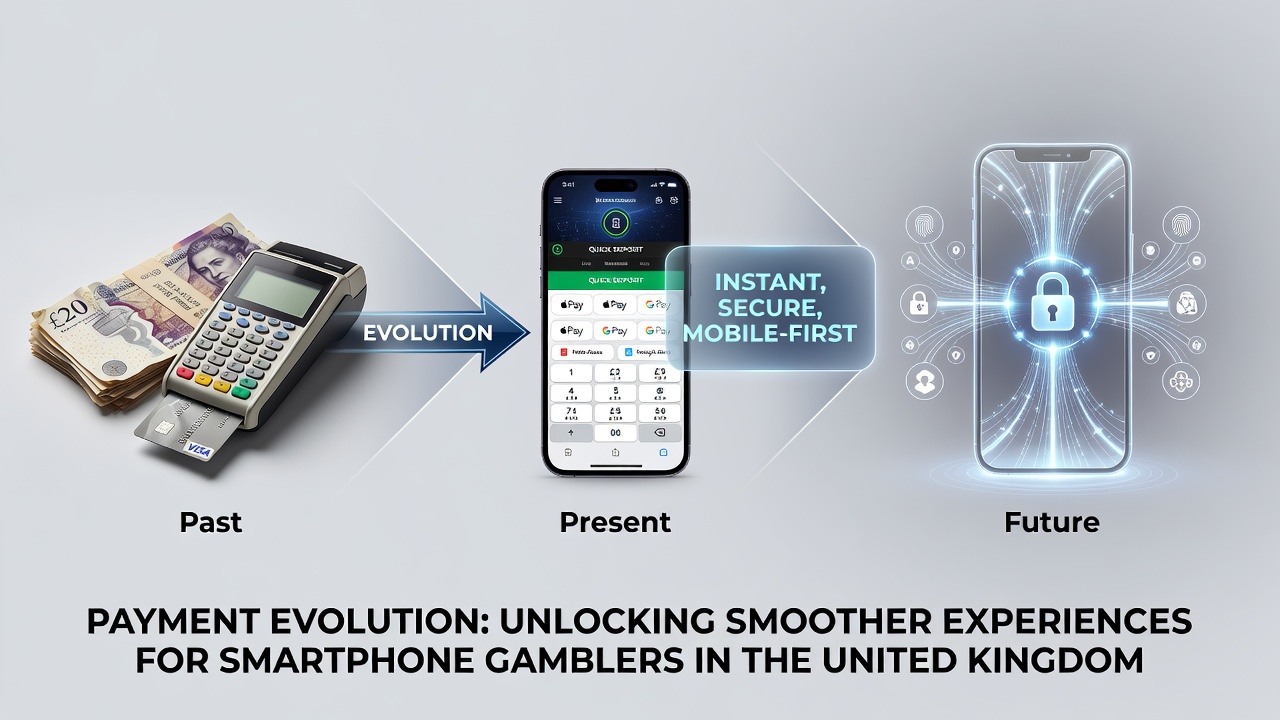
Payment systems for smartphone gambling in the United Kingdom have shifted toward faster, more integrated options that connect directly with banking infrastructure and digital wallets, and these changes align with broader fintech developments across Europe. Data from the European Payments Council shows that instant payment schemes processed over 10 billion transactions in 2025, with mobile channels accounting for a growing share in regulated sectors including online entertainment platforms. Observers note that UK users now complete deposits through methods such as open banking transfers and contactless wallet integrations, reducing the steps between account funding and game access.
Core Payment Methods Driving Accessibility
Traditional card processing still operates alongside newer protocols, yet the emphasis has moved to systems that verify identity in seconds rather than minutes. Faster Payments Service, operated through the Bank of England framework, supports real-time transfers that appear in gambling accounts almost immediately, and this infrastructure pairs with app-based authentication to limit delays. Researchers at academic institutions studying digital finance have documented how these integrations cut average transaction times by more than 70 percent compared with earlier batch processing models.
Digital wallets from major technology providers have expanded their reach into gambling applications, allowing users to link existing payment credentials without re-entering sensitive details on each platform. Figures released by the European Central Bank indicate rising adoption of wallet-based transactions across member states, with similar patterns appearing in UK market reports. One study from a European research consortium found that wallet users conducted shorter but more frequent sessions, reflecting the convenience of pre-verified balances.
Security Protocols and Regulatory Context
Security measures have evolved in tandem with payment speed, incorporating tokenization and device-specific encryption that prevents data exposure during transfers. These features satisfy requirements from multiple oversight bodies, including those tracking cross-border financial flows. In September 2026, updates to European digital finance directives are scheduled to standardize reporting for instant payments, and UK operators are aligning their systems ahead of those deadlines to maintain seamless connectivity with European partners.
Industry organizations such as the European Gaming and Betting Association have compiled statistics showing that platforms employing layered authentication experience fewer reported incidents of unauthorized access. Observers tracking these metrics note that smartphone-specific features, including biometric confirmation, now form part of standard compliance checklists for payment service providers.
Impact on User Sessions and Platform Design
Shorter funding intervals have influenced how platforms structure gameplay options, with developers incorporating features that activate once balances update without page reloads. Case examples from operators demonstrate that users who fund accounts via instant methods tend to remain engaged across multiple game types within a single session. Research published by university finance departments highlights correlations between transaction latency and session abandonment rates, suggesting that sub-second confirmations support sustained participation.
Cross-border elements also play a role, as some UK users maintain accounts that accept payments processed through systems popular in other regions. Data compiled by international payment networks shows increased interoperability between UK Faster Payments and similar schemes in Canada and Australia, allowing travelers to maintain consistent access. These connections rely on standardized messaging formats that reduce conversion friction.
Future Infrastructure Developments
Emerging protocols centered on programmable payments and embedded finance are under testing by several banking consortia, and these could allow gambling applications to request micro-authorizations tied to specific spending limits. Analysts following pilot programs report that such tools provide granular control while still complying with existing financial regulations. Academic papers examining early deployments note measurable improvements in user satisfaction scores when payment flows integrate directly with account management dashboards.
Market data collected through 2025 and into 2026 continues to track how these payment layers interact with mobile operating systems, ensuring compatibility across device generations. Organizations monitoring digital commerce trends have recorded steady growth in the proportion of gambling transactions completed without leaving the native app environment.
Conclusion
Payment evolution in the United Kingdom has centered on speed, security integration, and cross-platform compatibility, with measurable effects on how smartphone users interact with gambling services. Statistics from regulatory and industry sources document the transition toward instant methods and wallet linkages, while scheduled European directive updates in September 2026 are expected to further standardize these processes. The documented outcomes include reduced transaction friction and expanded options for account funding without altering the underlying regulatory framework governing the sector.