Subscription Models Gain Ground Over Deposit Bonuses in Britain's Casino App Sector
Written by Olivia Washington · Sep 10, 2026
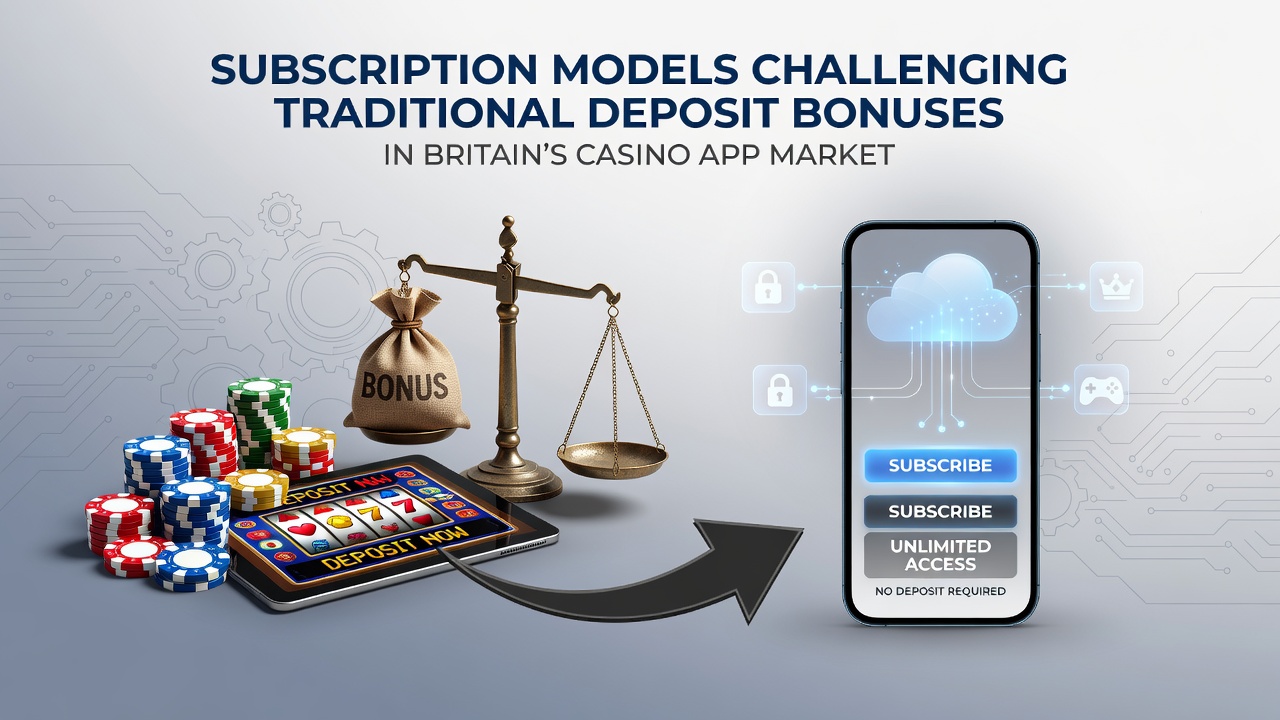
Subscription Models Gain Ground Over Deposit Bonuses in Britain's Casino App Sector
Subscription services have started appearing in several UK casino applications as operators test recurring payment structures that deliver steady access in place of one-off deposit matches; data from industry trackers shows these models expanded across multiple platforms between 2024 and 2026 while conventional welcome bonuses faced tighter advertising rules and player fatigue.
Operators introduced monthly or weekly tiers that grant users a fixed number of spins, cashback percentages, or exclusive game access for a recurring fee, and analysts note that these arrangements appeal to frequent players who prefer predictable rewards over the uncertainty of deposit-triggered offers.
Market Data Points to Changing Player Preferences
Figures released by the European Gaming and Betting Association in early 2026 indicated that subscription uptake in mobile casino segments grew by 28 percent year-on-year across western Europe, with Britain accounting for a notable share of that increase; researchers tracked how users who previously claimed multiple deposit bonuses now opted into fixed-fee plans that removed repeated deposit requirements.
One operator reported that 14 percent of its active app users had switched to a subscription tier by September 2026, while deposit bonus redemptions at the same firm dropped by nine percent over the same period, suggesting a measurable shift in engagement patterns rather than a complete replacement of older promotions.
Regulatory Context Shapes Offer Structures
Although the UK Gambling Commission maintains oversight of licensing, operators have looked toward frameworks in other jurisdictions for guidance on recurring billing practices; a 2025 study from the Australian Gambling Research Centre examined how subscription-style memberships affected player spend and session length, finding that participants maintained steadier activity levels without the spikes associated with bonus chasing.
Those findings circulated among British product teams exploring similar mechanics, and several apps began testing hybrid models that combine a low monthly fee with occasional deposit incentives to retain flexibility while introducing recurring revenue streams.
Technical Implementation Across Major Platforms
Developers integrated subscription management directly into existing wallet systems, allowing users to toggle between pay-as-you-go deposits and recurring plans through the same interface; payment processors adapted their APIs to handle recurring transactions while complying with consumer protection standards that require clear cancellation paths and refund windows.
Apps that adopted these features reported fewer support tickets related to bonus eligibility disputes, since subscription benefits activate automatically once the payment processes, and operators documented a reduction in complaints about wagering requirements that traditionally accompany deposit matches.
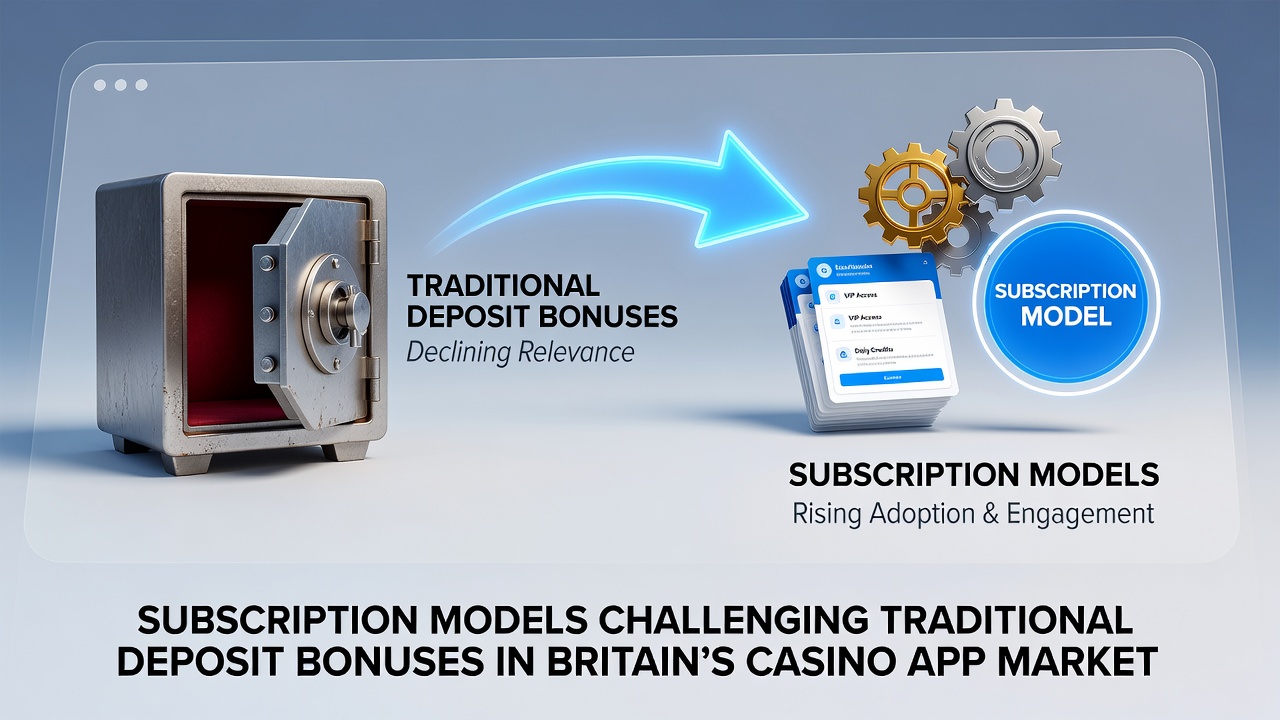
Player Segmentation and Retention Patterns
Segmentation analysis conducted by independent research firms revealed that subscription users tended to belong to the 25-to-40 age bracket with higher average session frequency, whereas deposit bonus users skewed younger and displayed more variable spending; this distinction prompted several operators to maintain parallel promotion tracks rather than phasing out either model entirely.
One case involved a mid-sized app that introduced a £9.99 monthly plan delivering 50 free spins daily plus enhanced cashback, and within four months the plan captured 11 percent of the user base while overall revenue per active user rose modestly as churn among high-frequency players declined.
Industry Responses and Competitive Adjustments
Traditional bonus providers responded by refining their offers to include longer validity periods and lower wagering thresholds, yet data from the Canadian Centre for Gaming Research suggested that once players experience recurring access models, reversion to sporadic deposit incentives becomes less common; British operators therefore positioned subscriptions as complementary tools rather than outright replacements.
Marketing teams adjusted messaging to emphasize convenience and consistency, highlighting phrases such as “steady rewards without repeated deposits” in app store descriptions and push notifications, while still listing deposit bonuses for new registrants who prefer immediate larger credits.
Conclusion
Subscription models continue to expand within Britain’s casino app market as operators seek stable engagement metrics and reduced reliance on deposit-triggered promotions; evidence from multiple research bodies indicates gradual adoption rather than rapid displacement, with both structures likely to coexist as platforms refine offerings around distinct player segments through 2026 and beyond.